The Science of Recruitment: From College Basketball to Tungsten Carbide
What does recruiting elite basketball players have in common with building a world-class tungsten recycling team? More than you’d think.
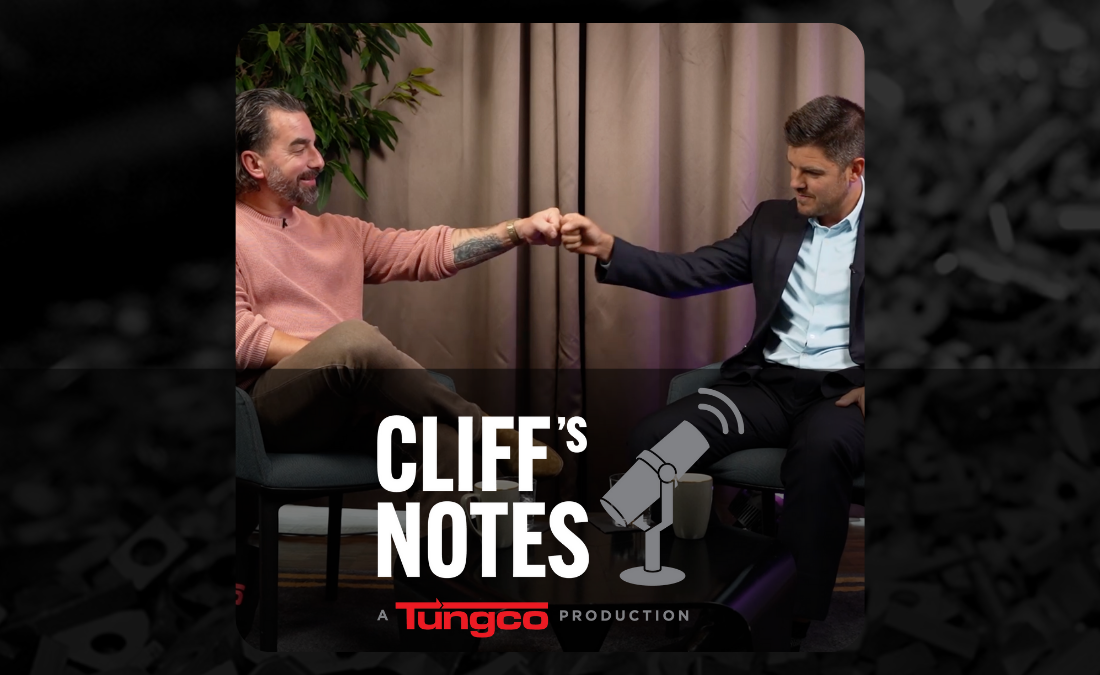
In Episode 107 of Cliff’s Notes, Tungco CEO Cliff Nance sits down with Brice Littlepage—Managing Director, North America at Tungco and former Associate Head Coach for Operations at Florida State University—for a fascinating conversation about recruitment strategy, company culture, and what the tungsten industry can learn from Division 1 athletics.
Recording from Helsinki, Finland during ITIA, the conversation covers everything from the systematic approach Florida State used to identify and recruit top basketball talent—and how those principles could transform hiring practices in the metal recycling industry.
Watch the Full Cliff’s Notes Episode
Want to learn more about Tungco’s approach to tungsten carbide recycling, talent development, and building lasting relationships in the metals industry? Subscribe to Cliff’s Notes for weekly insights from the tungsten recycling business.
Building a Tungsten Dynasty: The Long Game of Talent Acquisition
The Florida State Recruitment Playbook
For eight years at Florida State, Brice helped build championship teams by executing a recruitment strategy that would make any tungsten supplier envious. The process was methodical, relationship-focused, and built for the long term:
Early Identification: Florida State began identifying prospects as early as seventh or eighth grade—sometimes as young as 12 or 13 years old. “You’re going to go to Atlanta, Georgia, where all the best teams come,” Brice explains. “And they may not be a prodigy, but they may stand out as a seventh or eighth grader. And so it made a difference if you were there first.”
Systematic Nurturing: Once identified, prospects weren’t just contacted—they were cultivated. Coaches would:
- Send postcards and personalized mail pieces
- Attend their games throughout high school
- Visit their schools and build relationships with coaches, teachers, even lunch staff
- Text and call within NCAA-regulated windows
- Bring them to campus for both unofficial and official visits
- Track thousands of prospects in a comprehensive database
Strategic Filtering: By senior year, Florida State had narrowed thousands of initial prospects down to 5-15 serious candidates per position. “You may have like five to eight that are hot that are on campus multiple times,” Brice notes, “that you’re seeing multiple times and texting, that you’re talking to their families, that you’re seeing their coaches.”
The Ecosystem Approach: Recruitment wasn’t just about the athlete—it was about winning over their entire support network. “At the end of the day, the decision needs to be theirs in a way. But some people are just going to make a decision with the family,” Brice explains. “And so if you’re not pleasing everybody and you’re not winning everybody over, you’re probably not getting them.”
Translation to the Tungsten Industry
When Cliff asks Brice to compare Tungco’s current recruitment practices to Florida State’s system, Brice is candid: “I think both parties value the human being as such a crucial asset. I think they share that in common… Without the people, you’re nothing.”
But there’s room for improvement. “Florida State does it way earlier in comparison, more intentional. I mean, you might have four or five visits before you ever commit.”
At Tungco, the approach has typically been more transactional: identify a need, find candidates, conduct interviews, make an offer. “I feel like sometimes when we’re recruiting at Tungco, we’re just like, okay, this is our job. This is the pay. Tell me a little bit more about you. Are you interested?”
The opportunity? Applying Florida State’s intentional, relationship-based approach to hiring in the tungsten carbide recycling industry.
Predictors of Success in Tungsten Recycling Operations
One of the most valuable insights from the conversation centers on predicting who will thrive at a company like Tungco.
The Military Advantage
“It feels like every time we get someone that’s got military experience, they are like almost excited to rip out SOPs or update SOPs,” Brice observes. Military veterans bring several advantages to tungsten processing operations:
- Process orientation: Comfort with standard operating procedures
- Chain of command: Understanding of organizational hierarchy
- Adaptability: Training in following and improving systems
The Multi-Hat Challenge
Not every talented professional succeeds in the tungsten scrap reclamation business. “We’ve hired some people that I don’t think had to wear more than one hat, which means do just one thing every day,” Brice explains. “And then when they get recruited and hired by Tungco, they will struggle to handle many responsibilities at one time.”
This is where predictive assessment becomes critical. “I don’t think we have that in their profiles, which we have now. We don’t have any of that kind of stuff to know yet that does translate or that probably won’t translate the way we like to work.”
The solution? Better screening tools, personality assessments, and practical evaluations before hire—similar to how Florida State might watch a prospect play multiple times, review their academic performance, and assess their family dynamics before extending a scholarship offer.
The Campus Visit: Making Your Tungsten Facility Shine
In collegiate recruiting, the official campus visit is the “big sale”—a carefully orchestrated weekend where prospects experience the program firsthand. The university covers travel, accommodations, meals, and activities, all within a strict budget and NCAA regulations.
For a tungsten recycling company looking to recruit top talent, the parallels are clear:
Elements of a Winning Site Visit
Intentional Planning: Create a structured agenda that showcases your tungsten carbide operations, company culture, and growth opportunities.
Relationship Building: Introduce candidates to team members across departments—from quality inspectors to plant managers to executive leadership.
Facilities Tour: Demonstrate your tungsten processing capabilities, safety standards, and operational excellence.
Culture Immersion: Share meals, show your community, and help candidates envision their life working with your company.
The Ecosystem: If relocating talent to a smaller community (like Tungco’s Hopkinsville, Kentucky location), consider the whole picture: “You would try to think about that family and where they shop, where do they go to eat, what do they do for fun, what does education look like in this area?”
Real-World Applications for Tungsten Suppliers
So how can tungsten carbide suppliers, scrap metal recyclers, and industrial material companies apply these lessons?
1. Build Your Prospect Pipeline Early
Don’t wait until you have an urgent opening. Maintain ongoing relationships with:
- Technical schools and metallurgy programs
- Military transition programs
- Industry trade shows and conferences
- LinkedIn and professional networks
- Current employees’ connections
2. Create Practical Assessments
Brice and Cliff discuss potential screening methods for Tungco:
- For welders: “Could you put together scrap metal to build something as a tryout?”
- For quality inspectors: “Could we make the 3D pieces of tungsten and watch someone sort on a table and see if they can even do the skill or not or can comprehend some concepts?”
3. Invest in Multiple Touchpoints
Before making a final offer, consider:
- Multiple interviews with different team members
- Facility tours at different times of day
- Meeting with teams they’d work alongside
- Personality and aptitude testing
- Trial projects or assessments
4. Profile for Cultural Fit
Develop clear profiles for what succeeds in your tungsten operation:
- Comfort with wearing multiple hats?
- Experience with process documentation?
- Ability to work in a relationship-focused environment?
- Alignment with your company’s “Whatever it Takes” philosophy?
Key Takeaways for the Tungsten Industry
- Talent is Your Greatest Asset: Whether you’re processing tungsten carbide scrap or building basketball programs, “without the people, you’re nothing.”
- Recruitment is Relationship Building: The companies that win top talent invest in long-term relationships, not transactional hiring.
- Predict Before You Hire: Develop better predictors of success through assessments, practical tests, and understanding what traits translate to your unique operational environment.
- The Ecosystem Matters: Recruit the whole person, including their family situation, relocation considerations, and cultural fit.
- Be Intentional: Create systematic recruitment processes with clear stages, multiple touchpoints, and consistent evaluation criteria.
- Support Your People: Policies that support team members through life transitions (like paternity leave, family benefits, and work-life balance) strengthen retention and performance.
About the Participants
Cliff Nance is CEO of Tungco, a global leader in tungsten carbide reclamation and raw feed supply. As the son of Tungco founder Steve Nance, Cliff has filled many roles over 24 years—from the plant floor to VP of Operations to his current position. Tungco specializes in tungsten scrap recycling, serving oil and gas, machining, thermal spray, aerospace, energy, healthcare, automotive, and manufacturing industries worldwide.
Brice Littlepage serves as Managing Director, North America at Tungco. He previously spent eight years at Florida State University, progressing from video coordinator to Director of Basketball Operations to Associate Head Coach for Operations. He brings Division 1 talent acquisition expertise to the tungsten recycling industry.
Tungco: Metal Movers with Soul
Tungco isn’t just processing tungsten—they’re reclaiming it, refining it, and giving it a second life, just like they’ve done with the company itself, generation after generation.
Founded in a backyard and barn, Tungco has grown into a global supplier of tungsten carbide scrap and recycled material. The company operates multiple divisions including 74 Alloys (tungsten alloys), TPP (Tungco Powder Procurement for sludge and powder), Tungco GmbH (Germany operations), and HSS Recycling.
Tungco’s mission is to provide exceptional service and deliver high-performance tungsten products through abiding relationships, sustainable global sourcing, and robust financial practices. They weigh every pound of material with care, settle every quote with integrity, and pick up the phone when others hide behind emails.
As Brice notes in the episode, that relationship-first philosophy extends from customer partnerships to recruitment: “I think what parents understood was that was an investment for us to take the time to get to know someone and understand could it be a good fit, could it be a mutually beneficial partnership.”
Related Resources
- Tungco’s Whatever it Takes Philosophy: Learn about the company culture that makes Tungco different
- Tungsten Carbide Scrap Reclamation: Understanding the tungsten recycling process
- Career Opportunities at Tungco: Join a team that values relationships and invests in people
- Previous Cliff’s Notes Episodes: Explore more conversations about the tungsten industry
Keywords & Topics Covered
Tungsten carbide recycling, tungsten scrap reclamation, talent acquisition in manufacturing, recruitment strategies, metal recycling industry jobs, tungsten suppliers, employee retention, company culture, Division 1 athletics recruitment, hiring best practices, Tungco, tungsten industry careers, metal movers, sustainable sourcing, tungsten processing, industrial recruitment, team building, paternity leave policies, workplace culture, relationship-focused business
Cliff’s Notes is a podcast series from Tungco featuring conversations with industry experts, team members, and business leaders. Each episode explores topics relevant to the tungsten recycling industry, company culture, and relationship-driven business practices.